
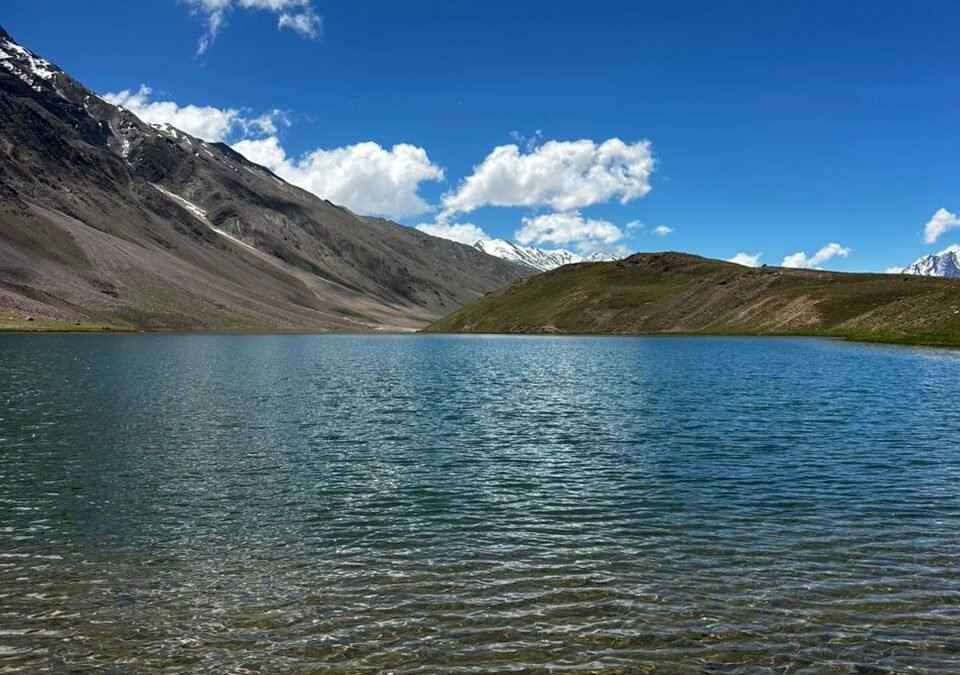
Complete Spiti Valley Travel Guide 2026 — Everything You Need to Know
By Unseen Himalayas | Shimla’s Most Trusted Travel Agency
Tucked away in the remote Trans-Himalayan region of Himachal Pradesh, Spiti Valley is one of India’s most breathtaking and least explored destinations. At an average altitude of 12,500 feet above sea level, this cold desert mountain valley is a world apart — ancient Buddhist monasteries perched on clifftops, turquoise rivers cutting through barren landscapes, snow-covered passes that test your courage, and villages that have remained unchanged for centuries.
If you have been dreaming of a Himalayan adventure that goes beyond the usual Shimla and Manali tourist trail, Spiti Valley is your answer. In this complete travel guide for 2026, we cover everything you need to know — the best time to visit, how to reach Spiti Valley, top places to see, a full 7-day itinerary, budget tips, and everything else to make your trip unforgettable.
Where is Spiti Valley?
Spiti Valley is located in the Lahaul and Spiti district of Himachal Pradesh, India. It sits at the border of India and Tibet and is one of the highest inhabited plateaus in the world. The Spiti River, a tributary of the Sutlej, flows through the valley. The valley is surrounded by towering Himalayan peaks, many of which exceed 6,000 metres.
Spiti is often called the “Middle Land” — a name derived from Tibetan that describes its position between India and Tibet. The culture, language, food, and architecture of Spiti Valley are deeply influenced by Tibetan Buddhism, making it feel like a journey to another world entirely.
Key distances from major cities: – Shimla to Kaza (Spiti): 412 km via Kinnaur (12–14 hours) – Manali to Kaza: 202 km via Rohtang Pass (7–8 hours) – Delhi to Kaza: 740 km (via Shimla–Kinnaur route, 20–22 hours) – Chandigarh to Kaza: 520 km (14–16 hours)
Best Time to Visit Spiti Valley
One of the most commonly searched questions about Spiti is: “When should I go?” The answer depends entirely on what kind of experience you are looking for.
Summer Season: June to September ✅ Most Popular
This is the best time to visit Spiti Valley for most travellers. Both the Shimla–Kinnaur route and the Manali–Rohtang route are open, the weather is pleasant during the day (10°C to 25°C), and all the top attractions are fully accessible.
- Roads are clear and driveable
- All monasteries, villages, and high-altitude lakes are accessible
- Chandratal Lake is open for camping
- Perfect for trekking, road trips, and photography
- Wildflowers bloom in Pin Valley during July and August
Peak months: July and August — expect more travellers on the road. If you want a quieter experience, aim for early June or September.
Monsoon Note
Unlike most hill stations in India, Spiti Valley lies in a rain shadow zone and receives very little monsoon rainfall. This makes it an excellent destination even during the monsoon months of July and August when most other Himalayan destinations face heavy rain, landslides, and blocked roads.
Winter Season: December to February ❄️ For the Adventurous
Spiti in winter is a completely different world. The valley transforms into a frozen wonderland with temperatures dropping as low as -30°C at night. The Manali route is closed due to heavy snowfall, and the Kinnaur route becomes extremely challenging. Only the most experienced travellers should attempt Spiti in deep winter.
However, if you are prepared, a winter trip to Spiti is a once-in-a-lifetime experience: – Frozen Spiti River — you can walk on it in some sections – Snow leopard sightings are more common in winter – Ancient villages completely blanketed in snow – Almost zero tourists — pure solitude and silence – The famous Spiti Winter Festival
Our recommendation: For first-time visitors, plan your Spiti trip between mid-June and mid-September. For adventurous repeat visitors, a winter trip in January or February is extraordinary.
How to Reach Spiti Valley
There are two main routes to Spiti Valley. Both are scenic, dramatic, and unforgettable — but very different in character.
Route 1: Shimla → Kinnaur → Spiti (Hindustan Tibet Highway)
This is the longer but more gradual route, following the ancient Hindustan Tibet Road (NH-5) along the Sutlej and Spiti rivers through the lush Kinnaur Valley before entering the arid Spiti landscape.
Route: Shimla → Narkanda → Rampur → Karcham → Sangla → Rakcham → Chitkul → Nako → Tabo → Kaza
Distance: 412 km from Shimla to Kaza Time: 12–14 hours (best split over 2–3 days) Highlights along the way: Kinnaur Valley apple orchards, Sangla Valley, Chitkul village (India’s last inhabited village near the Tibet border), Nako Lake, Tabo Monastery
Best for: First-time visitors, those who want to experience Kinnaur Valley, and travellers coming from Shimla or Delhi.
Route 2: Manali → Rohtang Pass → Spiti
This is the shorter and more dramatic route, crossing the mighty Rohtang Pass (3,980 m) and descending into the Lahaul Valley before entering Spiti.
Route: Manali → Rohtang Pass → Gramphoo → Kunzum Pass → Kaza
Distance: 202 km from Manali to Kaza Time: 7–8 hours Highlights: Rohtang Pass, Lahaul Valley, Kunzum Pass (4,590 m), Chandratal Lake detour
Best for: Travellers coming from Leh or Manali, those who want a shorter drive, and experienced Himalayan road trippers.
By Air
The nearest airport is Bhuntar (Kullu-Manali Airport), approximately 245 km from Kaza. From Bhuntar, you can hire a cab to Kaza via Manali. Shimla Airport also operates flights from Delhi but the Shimla–Kaza road journey is very long.
By Train
The nearest major railhead is Shimla (narrow gauge from Kalka) or Chandigarh. From either city, you can hire a cab or take a bus to Kaza.
Top Places to Visit in Spiti Valley
1. Kaza — The Heart of Spiti
Kaza is the headquarters of Spiti Valley and the main base for most travellers. Situated at 3,800 metres, it is a bustling little town with guesthouses, restaurants, ATMs (yes, there is one!), and shops. From Kaza, most of Spiti’s top attractions are within a 2-hour drive.
Must do in Kaza: Explore the old village of Kaza, visit the local market, try traditional Spitian food (thukpa, momos, butter tea), and acclimatise before heading higher.
2. Key Monastery (Ki Gompa)
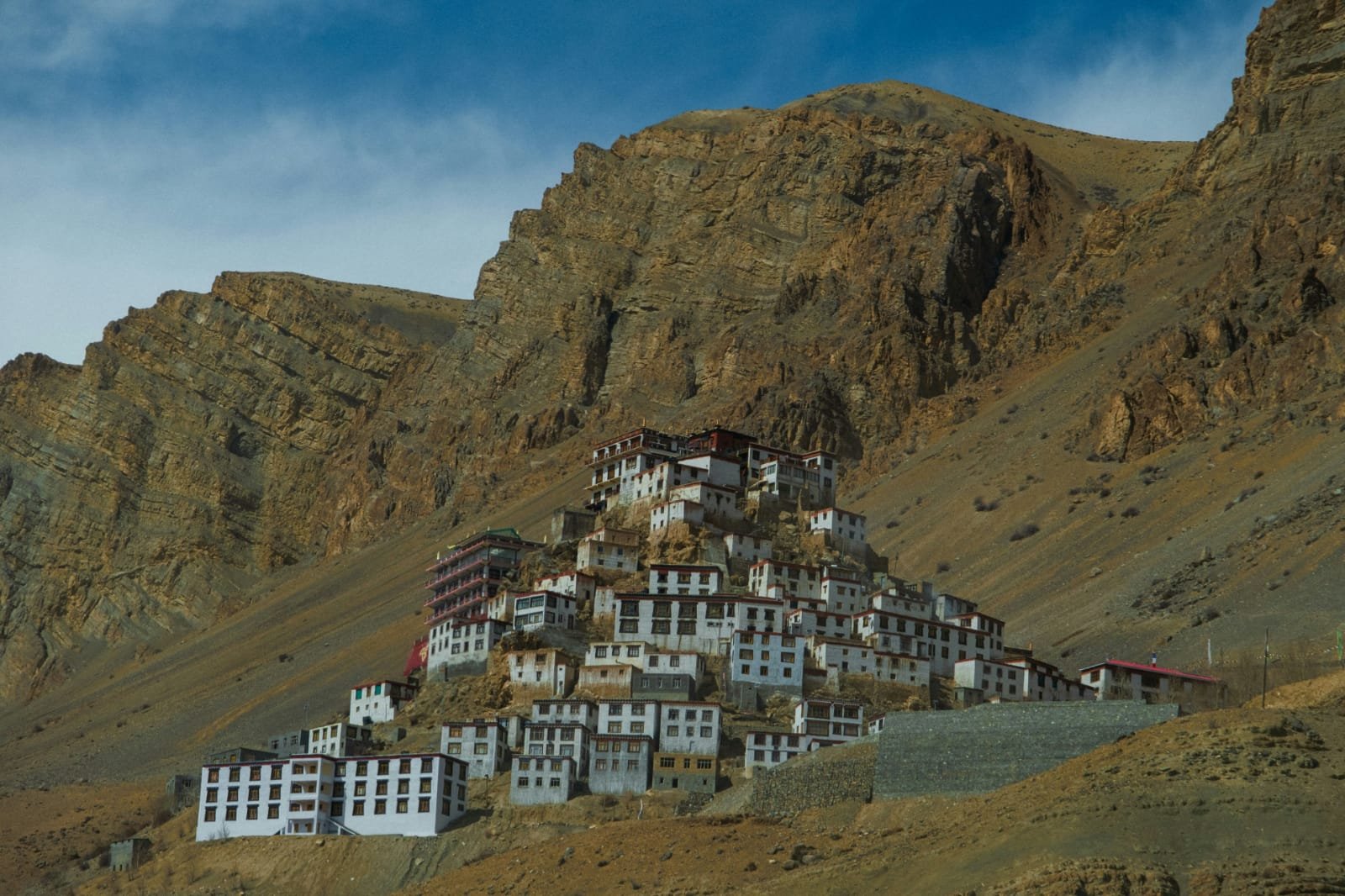
Ki Gompa rising above the barren Spiti Valley landscape
Perched dramatically on a hilltop at 4,166 metres, Key Monastery is the largest and most iconic monastery in Spiti Valley. Over a thousand years old, it is home to over 300 monks and houses rare Thangka paintings, ancient scriptures, and weapons dating back centuries.
The views from Key Monastery across the Spiti River valley are absolutely breathtaking, especially at sunrise and sunset. This is one of the most photographed locations in all of Himachal Pradesh.
3. Chandratal Lake — The Moon Lake
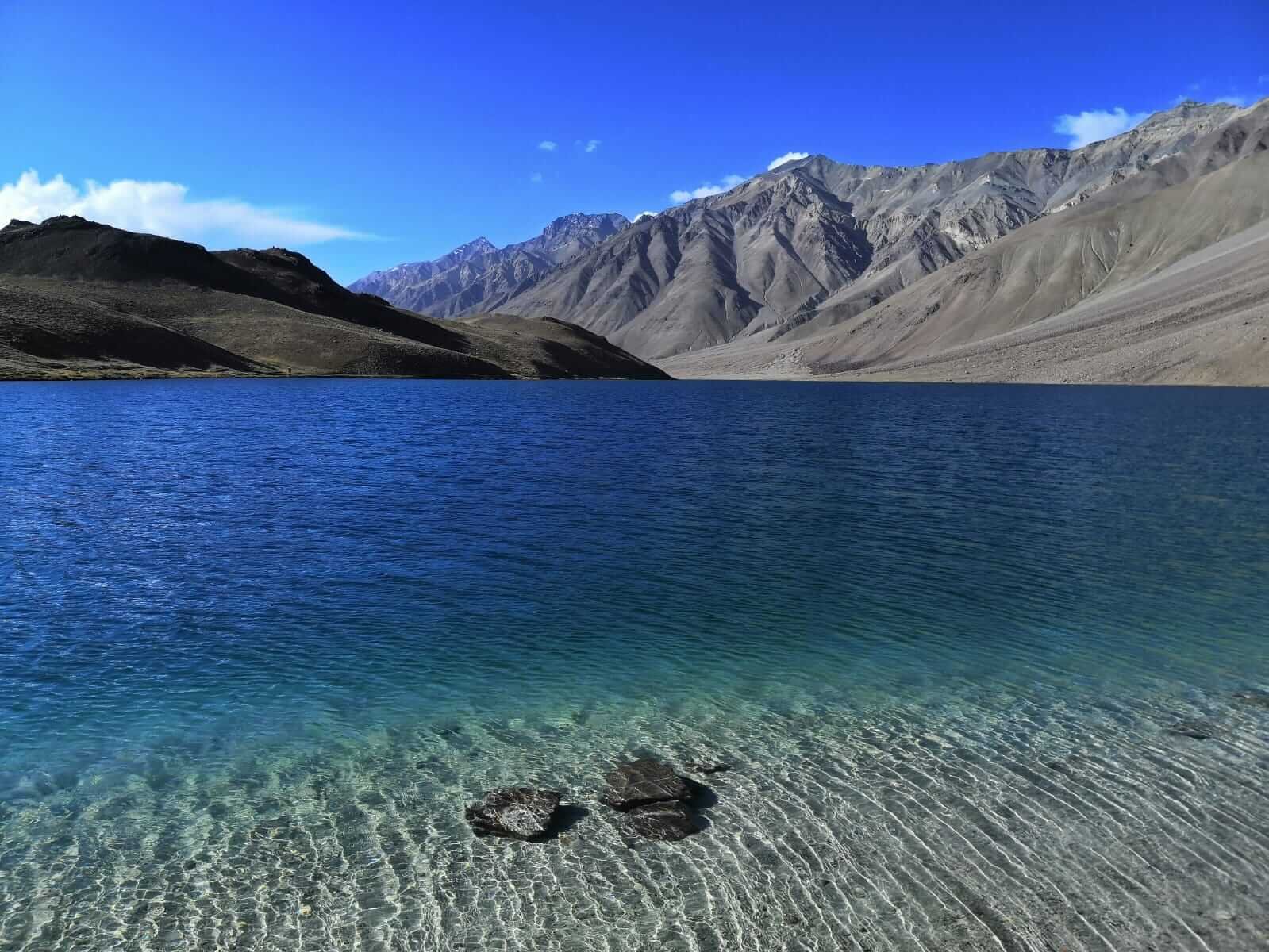
Chandra taal lake spiti 2026 travel guide Unseen Himalayas
At 4,300 metres above sea level, Chandratal Lake is a stunning high-altitude lake shaped like a crescent moon. The lake is famous for its crystal-clear turquoise-blue water that changes colour throughout the day. Camping beside Chandratal Lake under a sky full of stars is one of the most magical experiences in the Indian Himalayas.
How to reach: 14 km off-road detour from the Manali–Kaza highway, near Batal. Best visited between June and October.
4. Dhankar Monastery and Lake
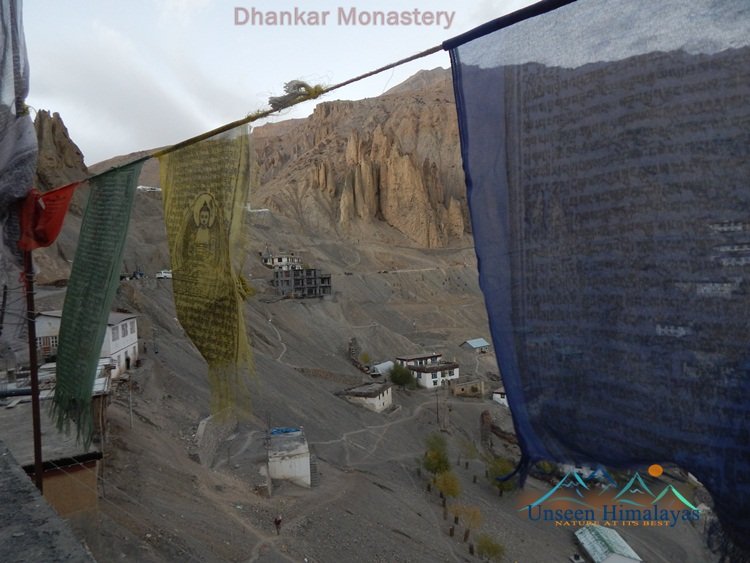
Scenic landscape of Dhankar Monastery in the district of Spiti in India
Dhankar Gompa is a 1,000-year-old monastery built on a narrow ridge high above the confluence of the Spiti and Pin rivers. It is literally teetering on the edge of a cliff and is one of the most dramatically situated monasteries in the world. UNESCO has listed it as one of the hundred most endangered heritage sites on earth.
A short 1 km hike above the monastery takes you to Dhankar Lake — a beautiful alpine lake with stunning valley views.
5. Pin Valley National Park
Pin Valley is a side valley of Spiti that is greener and more lush compared to the arid main valley. Pin Valley National Park is home to the elusive snow leopard, Ibex, red fox, and Himalayan wolves. The Parachhu River flows through the valley and the landscape is stunning.
This is one of the few places in India where you have a realistic chance of spotting a snow leopard — particularly in winter.
6. Hikkim — World’s Highest Retail Outlet
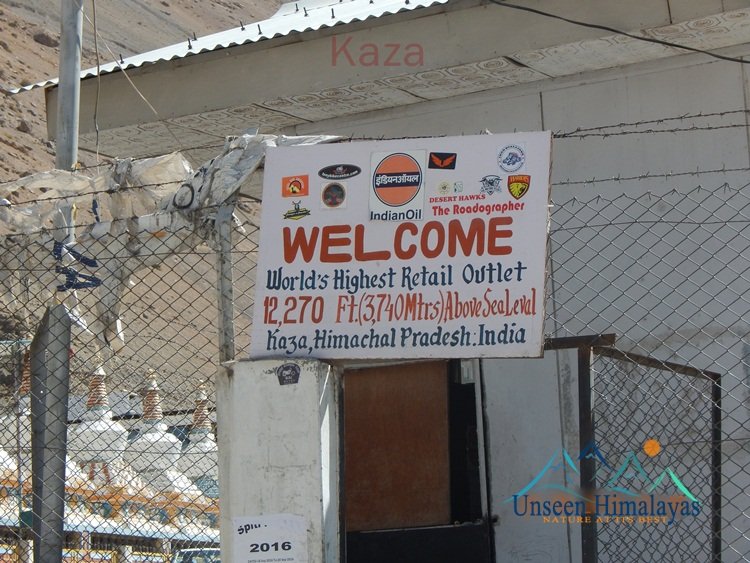
At 4,400 metres, Hikkim has the world’s highest post office and petrol pump. You can send a postcard to your family from here — a truly unique and memorable experience. The post office is fully functional and the local postman is a beloved figure in the region.
7. Langza — The Fossil Village
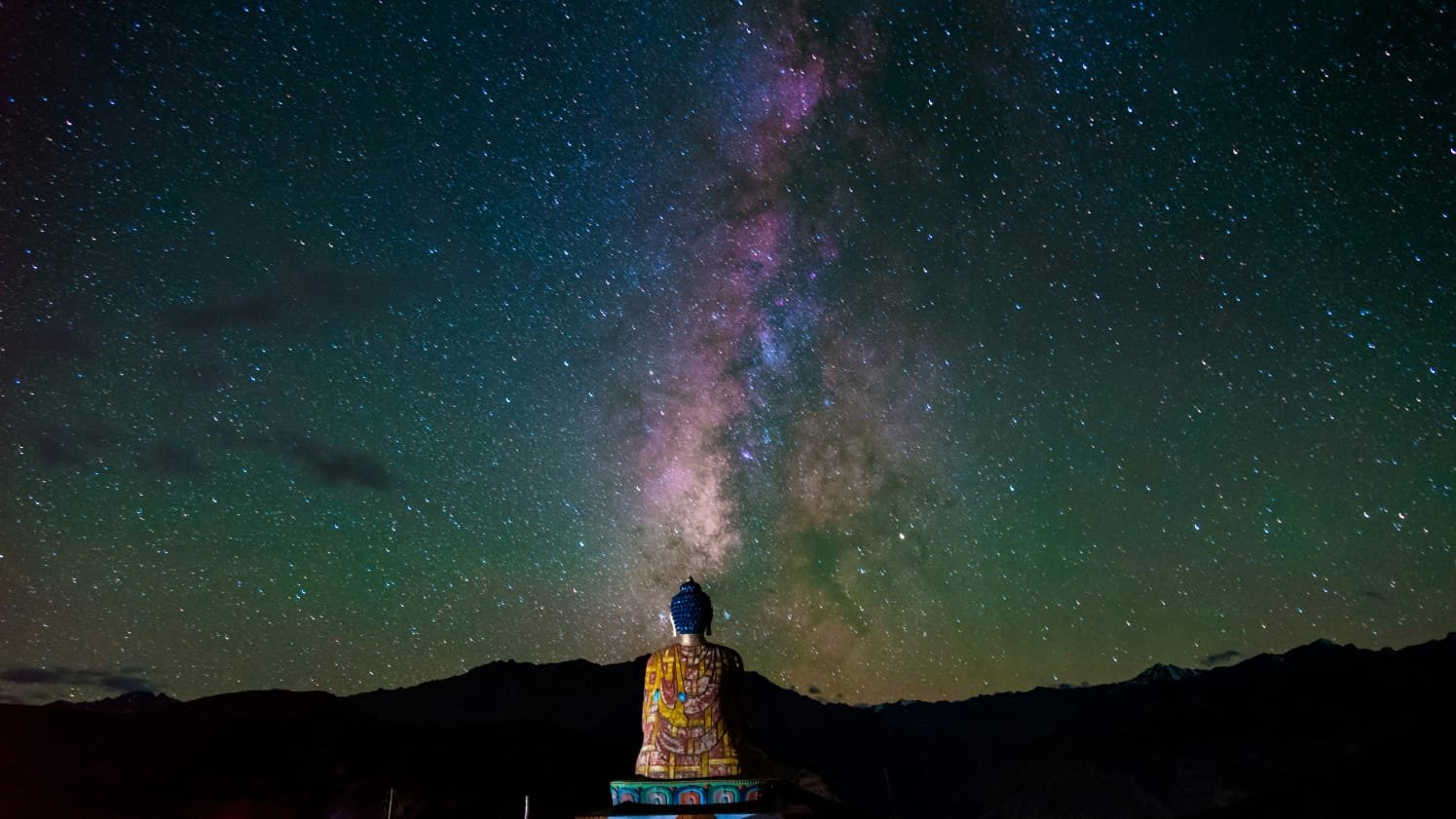
Langza — The Fossil Village of Spiti Valley at 14,500 ft
Langza is a beautiful high-altitude village famous for its enormous Buddha statue overlooking the valley. The village sits at 4,400 metres and is known for marine fossils found in the surrounding fields — evidence that this entire region was once the floor of the ancient Tethys Sea millions of years ago. You can find ammonite and other fossils just lying in the fields.
8. Komik — World’s Highest Village with a Motorable Road
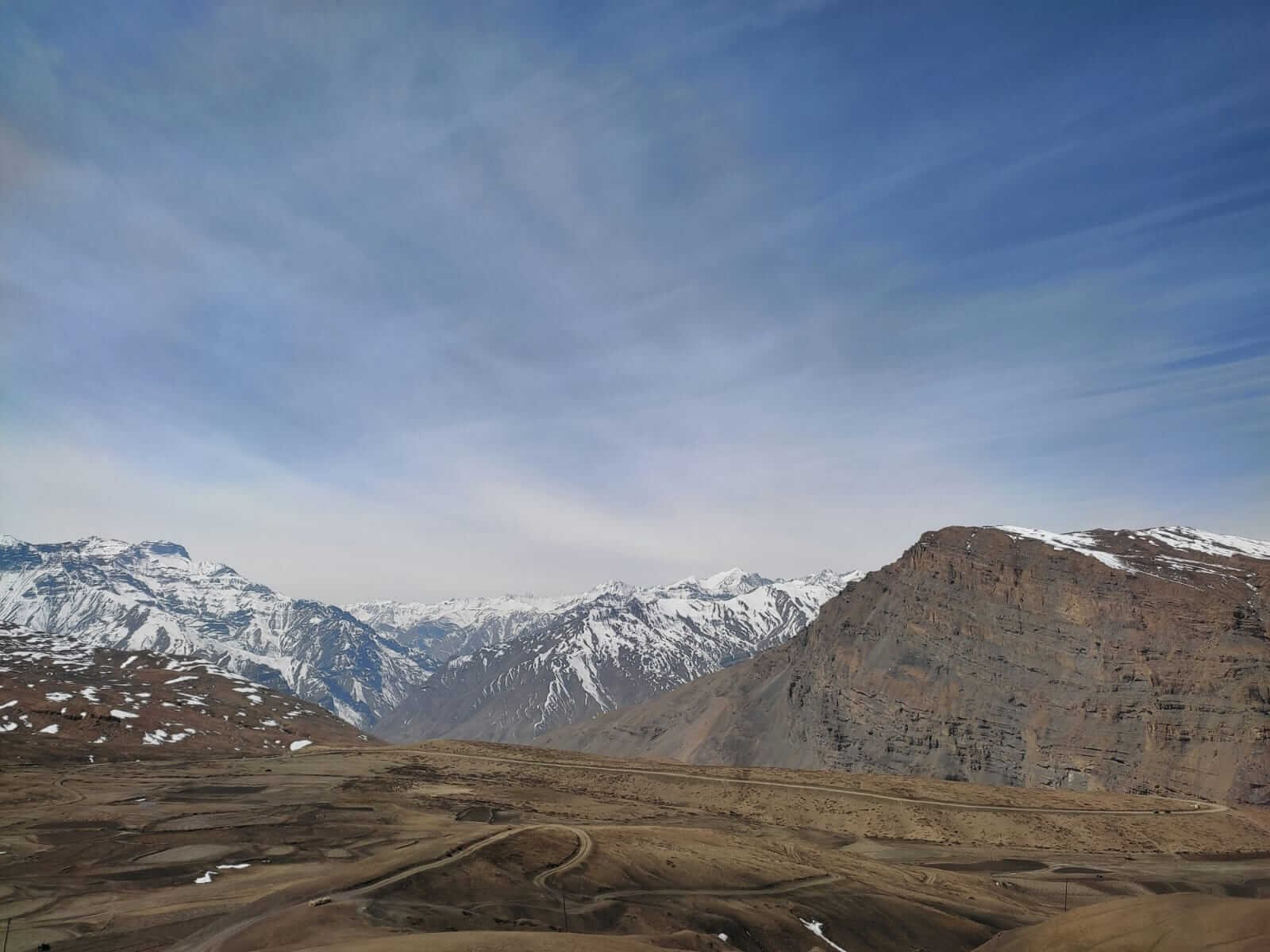
Travel Guide for Spiti 2026 @unseen Himalayas
Komik village, at 4,587 metres, is one of the highest motorable villages in the world. The Tangyud Monastery here is over 600 years old. The village has only around 20 households and the silence and solitude here are extraordinary.
7-Day Spiti Valley Itinerary from Shimla/Delhi
Here is our recommended 7-night, 8-day Spiti Valley road trip itinerary starting from Shimla, covering all the top highlights:
Day 1: Shimla → Narkanda → Rampur Drive from Shimla along the Hindustan Tibet Highway. Stop at Narkanda for lunch and enjoy apple orchards along the way. Overnight stay in Rampur.
Day 2: Rampur → Sangla → Chitkul Enter the stunning Baspa Valley and drive up to Chitkul — India’s last inhabited village near the Tibet border. Walk to the Indo-Tibet Border Police post. Overnight in Sangla or Chitkul.
Day 3: Chitkul → Nako → Tabo Cross the dramatic Kinnaur–Spiti border. Visit the ancient Nako Lake and monastery. Continue to Tabo — home to the famous Tabo Monastery, one of the oldest continuously functioning Buddhist monasteries in the world (over 1,000 years old). Overnight in Tabo.
Day 4: Tabo → Dhankar → Kaza Visit Dhankar Monastery and hike to Dhankar Lake. Continue to Kaza for lunch. In the afternoon, visit Key Monastery. Overnight in Kaza.
Day 5: Kaza → Hikkim → Langza → Komik → Kaza Full day excursion to the high-altitude villages. Post a letter from Hikkim Post Office, find fossils in Langza, and reach Komik for panoramic views. Return to Kaza for overnight.
Day 6: Kaza → Pin Valley → Kaza Drive into Pin Valley National Park. Walk through meadows and look out for wildlife. Return to Kaza in the evening. Overnight in Kaza.
Day 7: Kaza → Kunzum Pass → Chandratal Lake → Manali Cross the spectacular Kunzum Pass (4,590 m). Detour to Chandratal Lake for photos and tea. Continue to Manali via Rohtang Pass. Overnight in Manali.
Day 8: Manali → Chandigarh/Delhi Drive back to Chandigarh or Delhi, completing the circuit.
Budget Guide — How Much Does a Spiti Valley Trip Cost?
Here is a realistic budget breakdown for a 7-day Spiti Valley trip:
| Expense | Budget Traveller | Mid-Range | Comfortable |
| Transport (cab/shared jeep) | ₹8,000–12,000 | ₹15,000–25,000 | ₹30,000–50,000 |
| Accommodation (per night) | ₹400–800 | ₹1,000–2,000 | ₹2,500–5,000 |
| Food (per day) | ₹300–500 | ₹600–1,000 | ₹1,200–2,000 |
| Entry fees & permits | ₹500–1,000 | ₹500–1,000 | ₹500–1,000 |
| Total (7 days) | ₹15,000–20,000 | ₹30,000–45,000 | ₹60,000–90,000 |
Prices are approximate per person and may vary by season.
Where to Stay in Spiti Valley
Spiti Valley has a good range of accommodation for all budgets:
- Homestays: The best way to experience Spitian culture. Local families host guests in their traditional homes. Meals are included and the food is delicious. Expect to pay ₹500–1,200 per night.
- Guesthouses: Available in Kaza, Tabo, Kibber, and Langza. Clean, simple rooms. ₹800–2,000 per night.
- Camping: Chandratal Lake camping is a must-do experience. Organised camps with sleeping bags, meals, and tents are available. ₹1,500–3,000 per person per night.
- Hotels: A few decent hotels have opened in Kaza in recent years. ₹2,000–5,000 per night.
What to Pack for Spiti Valley
Packing right is absolutely essential for a Spiti Valley trip. Here is your complete packing checklist:
Clothing: – Thick woollen jacket or down jacket (even in summer) – Thermal inners (top and bottom) – 2–3 fleece layers – Waterproof outer shell / windcheater – Warm gloves and a woollen cap – Sunglasses (UV protection is critical at altitude) – Comfortable trekking shoes with ankle support – Sandals for evenings at lower altitudes
Health & Safety: – Diamox tablets (for altitude sickness — consult your doctor first) – Basic first aid kit – Hand sanitiser and wet wipes – Lip balm and sunscreen (SPF 50+) – Rehydration salts – Personal medicines with extra supply – Water purification tablets
Documents & Money: – Inner Line Permit (required for Indian citizens to enter certain areas near the Tibet border — check current requirements) – Original government ID (Aadhar/Passport) – Cash in sufficient quantities — ATM services are very limited in Spiti – Emergency contact numbers
Electronics: – Power bank (load shedding is common) – Camera with extra memory cards – Universal adapter – Offline maps downloaded on your phone (internet connectivity is unreliable)
Important Travel Tips for Spiti Valley
- Acclimatise properly. Do not rush to high altitudes. Spend at least one night at Shimla, Rampur, or Narkanda before going higher. Altitude sickness is a real risk.
- Carry enough cash. There is only one ATM in Kaza and it frequently runs out of cash or is out of service. Carry sufficient cash from Shimla or Chandigarh.
- Get your Inner Line Permit. If visiting areas close to the Tibet border (Chitkul, Nako, etc.), you may need an Inner Line Permit. Check current regulations before you travel.
- Respect the local culture. Spiti is a deeply Buddhist region. Always walk clockwise around monasteries and prayer wheels. Remove your shoes before entering temples. Ask before photographing monks or locals.
- Mobile connectivity. BSNL has the best network coverage in Spiti Valley. Private networks like Jio and Airtel have limited or no coverage in many areas. Download offline maps before you leave.
- Hire a local guide. A local guide not only enhances your experience but also ensures you don’t miss hidden gems that are not on any map.
- Book in advance for peak season. July and August are very busy. Book your accommodation and vehicle at least 4–6 weeks in advance.
- Travel with a reliable agency. Spiti is remote and roads are challenging. An experienced local travel agency like Unseen Himalayas can handle all logistics, permits, accommodation, and emergency support so you can focus on the experience.
Why Book Your Spiti Valley Tour with Unseen Himalayas?
Based in Shimla, Himachal Pradesh, Unseen Himalayas has been crafting extraordinary Spiti Valley experiences for over 10 years. Here is why thousands of travellers choose us:
- Deep local knowledge: We know every monastery, hidden village, viewpoint, and shortcut in Spiti Valley that no guidebook will tell you about.
- Customised itineraries: Every trip is tailored to your group size, budget, fitness level, and interests.
- Experienced drivers: Our drivers know the Spiti roads inside out and are trained in mountain driving safety.
- End-to-end support: From the moment you enquire to the moment you return home safely, our Shimla team is available 24/7.
- Fair and transparent pricing: No hidden costs. What we quote is what you pay.
- Solo, couples, families, and groups: We design Spiti trips for all types of travellers.
📞 Call us: +91-9816805570 📧 Email: theunseenhimalayas@gmail.com/info@unseenhimalayas.com 🌐 Website: www.unseenhimalayas.com
Frequently Asked Questions About Spiti Valley
Is Spiti Valley safe to visit? Yes, Spiti Valley is very safe for tourists. The local population is warm, welcoming, and honest. The main challenge is the altitude and the remote location, which is why travelling with an experienced local agency is strongly recommended.
Do I need a permit to visit Spiti Valley? Indian nationals do not need a special permit for most of Spiti Valley, but an Inner Line Permit is required for certain restricted areas near the Tibet border, including Chitkul and parts of Kinnaur. Foreign nationals need a Protected Area Permit (PAP). Always check the latest requirements before you travel.
Is Spiti Valley suitable for families with children? Yes, Spiti is suitable for families with older children (10+) who are reasonably fit. The altitude is the main concern, so acclimatisation is important. Younger children and infants are generally not recommended for high-altitude trips above 3,500 metres.
Can I do a solo trip to Spiti Valley? Yes, solo travel in Spiti is absolutely possible and many solo travellers visit every year. However, we recommend booking with a reliable agency for first-time visitors as logistics, permits, and altitude management can be challenging on your own.
What is the best route for a first-time Spiti visitor? We recommend entering via the Shimla–Kinnaur route (longer, more gradual altitude gain, passes through Kinnaur Valley) and exiting via Manali. This circuit gives you the best of both routes.
Conclusion — Start Planning Your Spiti Valley Adventure Today
Spiti Valley is not just a travel destination — it is a life-changing experience. The moment you drive through the first gorge, see the turquoise Spiti River below, and spot a monastery perched impossibly on a cliff in the distance, you will understand why travellers keep coming back year after year.
Whether you are planning your first Himalayan road trip or returning for another offbeat adventure, Unseen Himalayas is here to make your Spiti Valley dream a reality.
Get a free customised Spiti Valley tour quote today.
📞 +91-9816805570 📧 theunseenhimalayas@gmail.com/info@unseenhimalayas.com 🌐 www.unseenhimalayas.com
Janki Niwas, Navbahar, Shimla East, HP 171002
© 2026 Unseen Himalayas. All rights reserved. Shimla’s most trusted travel agency for offbeat Himalayan adventures.